
What Is Backup Power and Why It Matters During Power Outages
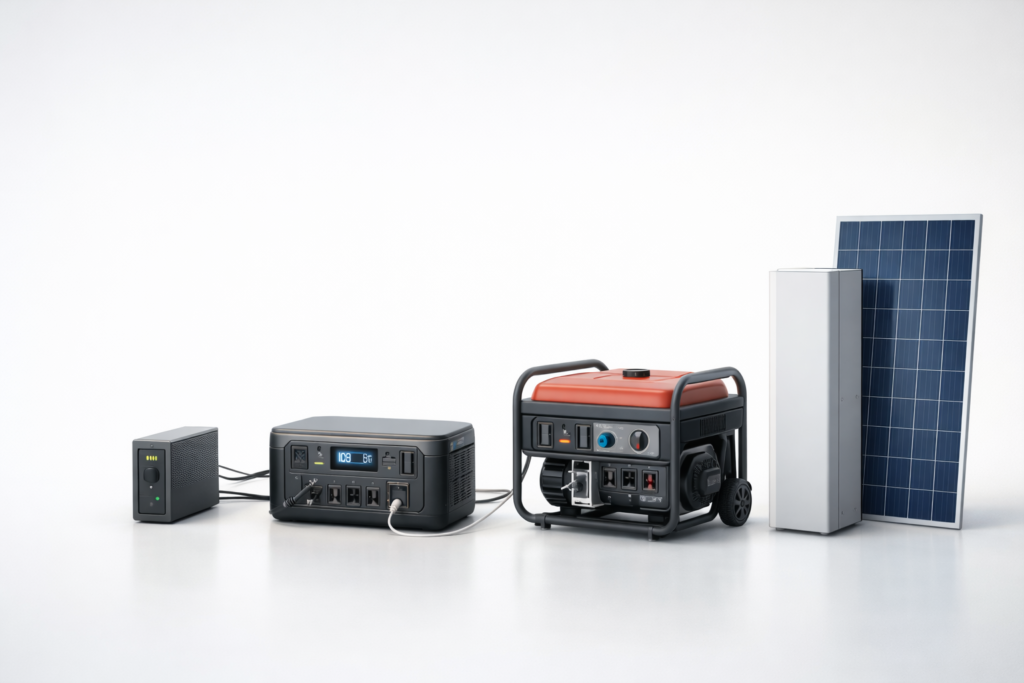
Backup power refers to alternative energy sources that provide electricity when the main power supply fails. During power outages, having a reliable backup power solution can mean the difference between safety and disruption, especially for homes, businesses, and remote workers.
Common causes of power outages
Power outages can happen for many reasons, and understanding the causes helps you choose the right backup power solution. In most regions, outages are becoming more frequent due to aging infrastructure, extreme weather, and increased energy demand.
- Severe weather such as storms, heatwaves, and heavy snow
- Power grid overload during peak consumption hours
- Infrastructure failures and maintenance work
- Natural disasters like floods, earthquakes, or wildfires
- Accidental damage to power lines or equipment
Risks of not having backup power
Not having backup power during an outage can lead to serious problems beyond simple inconvenience. Power loss can affect safety, health, productivity, and even cause financial losses, especially when outages last for several hours or days.
- Loss of internet and communication during emergencies
- Food spoilage due to refrigerator and freezer shutdown
- Inability to work remotely or run essential equipment
- Medical risks for people relying on powered devices
- Increased stress, discomfort, and security concerns
Who needs backup power the most
Backup power is not only useful during emergencies — for many people, it is essential. Certain groups are more affected by power outages and benefit the most from having a reliable backup power solution in place.
- Remote workers who rely on stable internet and powered devices
- For practical steps on how to keep Wi-Fi running during power outages in an apartment, see our dedicated guide.
- Families with children or elderly members
- People using medical equipment that requires electricity
- Home offices and small businesses
- Residents in areas with frequent or long power outages
Key Factors to Consider When Choosing a Backup Power Solution
Choosing the right backup power solution depends on several important factors. Not every system fits every situation, and understanding these key considerations will help you select the most efficient, safe, and cost-effective option for your needs.
Power capacity and wattage requirements
Power capacity is one of the most critical factors when choosing a backup power solution. It determines how many devices you can run and for how long during a power outage. Each appliance and electronic device requires a specific amount of wattage to operate, and exceeding your system’s capacity can lead to shutdowns or damage.
If you’re unsure how much power your apartment actually needs during an outage, our guide on how many watts an apartment needs during a power outage walks through the calculations step by step.
Duration of outages (short vs long)
The expected duration of power outages plays a major role in determining the right backup power solution. Short outages lasting a few minutes to a couple of hours usually require simpler systems, while long outages lasting days demand more robust and sustainable solutions.
For short outages, a small UPS or portable power station can keep essential devices like routers, computers, and lights running without interruption. However, for extended outages, larger battery systems, generators, or solar backup solutions become necessary to maintain comfort, safety, and productivity over long periods without grid power.
Budget and long-term cost
Budget is often one of the most important factors when choosing a backup power solution, but it should never be evaluated based on the initial purchase price alone. The real cost includes long-term expenses such as fuel, maintenance, battery replacement, and system upgrades over time.
Lower-cost solutions like small UPS systems or basic portable power stations are suitable for short outages and limited devices. However, they may become inefficient or expensive in the long run if frequent outages require constant recharging or battery replacement. On the other hand, generators and solar backup systems involve higher upfront costs but can provide better long-term value for households or users facing regular or extended power outages.
Choosing the right balance between upfront investment and ongoing costs ensures you get a solution that fits both your financial situation and your long-term energy needs.
Noise level and indoor safety
Noise level and indoor safety are critical considerations when selecting a backup power solution, especially for home use. Some systems are designed to operate quietly and safely indoors, while others must be used strictly outdoors due to noise, exhaust, or fire risks.
Battery-based solutions such as portable power stations and UPS systems are generally silent and produce no emissions, making them ideal for apartments, bedrooms, and home offices. In contrast, fuel-powered generators can be loud and release carbon monoxide, which makes indoor use extremely dangerous without proper ventilation.
When evaluating a backup power option, always consider where it will be used. A quieter and safer indoor system may be more suitable for daily life, while louder outdoor solutions may be acceptable for emergency or long-duration backup needs when placed in a well-ventilated outdoor area.
Ease of installation and maintenance
The ease of installation and ongoing maintenance can significantly impact how practical a backup power solution is for everyday use. Some systems are designed to be plug-and-play, requiring minimal setup, while others involve complex installation and regular technical maintenance.
Portable power stations and UPS systems are usually easy to install and require little maintenance beyond basic charging and occasional battery checks. Generators and solar backup systems, on the other hand, may require professional installation, periodic servicing, fuel management, and system inspections to ensure safe and reliable operation.
Choosing a solution that matches your technical comfort level and maintenance capacity will help you avoid unnecessary complications and ensure your backup power system remains reliable when you need it most.
Portable Power Stations (Battery Backup Systems)
Portable power stations are one of the most popular backup power solutions for homes, apartments, and emergency situations. These battery-based systems store electricity and deliver power without noise, fuel, or emissions, making them safe and convenient for indoor use.
To learn specifically how to keep Wi-Fi running during power outages in an apartment, refer to our step-by-step guide.
Unlike traditional generators, portable power stations rely on rechargeable batteries that can be charged from wall outlets, car ports, or solar panels. This flexibility allows users to maintain power during outages without relying on fuel availability or ventilation requirements.
How portable power stations work
Portable power stations work by storing electrical energy in high-capacity lithium batteries and delivering that energy through multiple output ports such as AC outlets, USB ports, and DC car sockets. When a power outage occurs, the stored energy is converted into usable electricity to run essential devices and appliances.
These systems typically include a built-in inverter to convert battery power into household AC power, along with charge controllers that manage safe and efficient charging. Most portable power stations can be recharged using standard wall outlets, vehicle chargers, or compatible solar panels, allowing them to remain operational even during extended outages.
Best use cases for portable power stations
Portable power stations are best suited for situations where quiet, clean, and flexible backup power is needed. They are especially popular among apartment residents, remote workers, and households that want a safe indoor solution without fuel or exhaust concerns.
These systems are ideal for powering essential electronics during short to medium power outages. Common use cases include keeping Wi-Fi routers online, charging laptops and phones, running lights, powering small appliances, and supporting home office setups during grid interruptions.
For apartment living, portable power stations are often the safest and most practical option due to their quiet operation and indoor safety. For a detailed comparison of the best models available today, see our guide to best portable power stations for apartments.
Pros and cons of battery power stations
Battery power stations offer several advantages that make them a popular choice for backup power during outages. They operate silently, produce no emissions, and are safe for indoor use, which makes them suitable for apartments, bedrooms, and home offices. Their plug-and-play design also makes them easy to use without technical expertise.
However, battery power stations also have limitations. Their runtime depends on battery capacity, which can restrict how many devices they can power simultaneously or for extended periods. High-capacity models can be expensive, and once the battery is depleted, recharging may take several hours unless solar charging is available.
Typical runtime and limitations
The runtime of a portable power station depends largely on its battery capacity, measured in watt-hours (Wh), and the total power draw of the connected devices. Smaller units may run essential electronics like routers, phones, and laptops for several hours, while larger models can support refrigerators, medical devices, or multiple appliances for longer periods.
Despite their flexibility, portable power stations have limitations. They are not designed to power entire homes for days without recharging, and high-power appliances such as air conditioners or electric heaters can drain batteries quickly. Understanding these limits helps set realistic expectations and ensures the system is used efficiently during power outages.
Gas and Dual-Fuel Generators
Gas and dual-fuel generators are traditional backup power solutions designed to deliver high power output during outages. They are commonly used in houses, rural areas, and situations where long-duration or high-demand electricity is required.
These generators produce electricity by converting fuel into mechanical energy, which is then transformed into electrical power. Depending on the model, they can run on gasoline, propane, or both, offering flexibility during fuel shortages or extended power outages.
How generators provide backup power
Generators provide backup power by using an internal combustion engine to convert fuel into mechanical energy, which is then converted into electricity through an alternator. When the main power supply fails, the generator supplies electricity directly to connected devices or to a home’s electrical system through a transfer switch.
Fuel-powered generators can deliver consistent power for extended periods as long as fuel is available. This makes them suitable for long outages, high-wattage appliances, and situations where battery-based solutions may not be sufficient to meet energy demands.
Gas vs propane vs dual-fuel generators
Gasoline, propane, and dual-fuel generators differ mainly in fuel availability, storage, and ease of use. Gasoline generators are widely available and usually more affordable, but fuel has a limited shelf life and can be difficult to store safely for long periods.
Propane generators use cleaner-burning fuel that can be stored for extended periods without degradation. They are quieter and produce fewer emissions, making them a more stable option for emergency preparedness. However, propane may be less accessible during widespread outages.
Dual-fuel generators combine both options, allowing users to switch between gasoline and propane depending on availability. This flexibility makes them a reliable choice for long outages, as it reduces dependence on a single fuel source.
Pros and cons of generators
Generators offer powerful and reliable backup electricity, especially during long or widespread power outages. They are capable of running high-wattage appliances such as refrigerators, freezers, water pumps, and heating systems for extended periods as long as fuel is available. This makes them a strong solution for houses and locations with frequent or prolonged outages.
However, generators also have notable drawbacks. They produce noise, emit exhaust gases, and must be operated outdoors with proper ventilation to avoid carbon monoxide poisoning. They also require regular maintenance, fuel storage, and careful operation, which may not be suitable for all users or living environments.
Safety considerations and ventilation
Safety is a critical concern when using fuel-powered generators. These devices produce carbon monoxide, an odorless and deadly gas that can accumulate quickly in enclosed or poorly ventilated spaces. For this reason, generators must always be operated outdoors, far away from windows, doors, and ventilation openings.
Proper ventilation, carbon monoxide detectors, and correct fuel handling are essential to prevent accidents. Users should also follow manufacturer guidelines strictly, avoid overloading the generator, and allow it to cool down before refueling. Ignoring safety precautions can turn a backup power solution into a serious health and fire hazard.
Solar Backup Power Systems
Solar backup power systems provide electricity during outages by capturing energy from the sun and storing it in batteries for later use. These systems allow homes and businesses to maintain essential power without relying on fuel, noise, or grid availability.
Unlike traditional generators, solar backup systems can continue supplying power as long as sunlight is available and the batteries are charged. This makes them an attractive long-term solution for users who want energy independence, lower operating costs, and a more sustainable approach to backup power.
How solar backup systems work during outages
During a power outage, solar backup systems rely on stored energy in batteries rather than direct grid electricity. When the grid goes down, the system automatically switches to battery power, supplying electricity to selected circuits or essential devices in the home.
If sunlight is available, solar panels can continue generating electricity during the outage and recharge the batteries, extending the system’s runtime. This combination of solar generation and battery storage allows for longer backup duration compared to battery-only systems, especially during multi-day outages.
Solar generators vs solar home systems
Solar generators and solar home systems both provide backup power using solar energy, but they differ significantly in scale and installation. Solar generators are portable, all-in-one units that combine a battery, inverter, and charge controller in a single device. They are easy to set up, require no permanent installation, and are ideal for apartments or temporary backup needs.
Solar home systems, on the other hand, are fixed installations that include rooftop solar panels, battery storage, and often an inverter connected to the home’s electrical system. These systems can power larger loads and multiple circuits, making them suitable for houses and long-term energy independence. However, they require professional installation and higher upfront investment.
Pros and cons of solar backup power
Solar backup power offers several strong advantages, especially for users seeking clean and sustainable energy. These systems operate quietly, produce no emissions, and can reduce long-term energy costs by relying on renewable solar power. When paired with battery storage, solar backup systems can provide extended power during outages without fuel dependency.
However, solar backup power also has limitations. Initial installation costs can be high, especially for full home systems, and performance depends on sunlight availability. During cloudy weather or nighttime, the system relies entirely on stored battery power, which may limit runtime if battery capacity is insufficient.
Is solar reliable during long outages
Solar backup systems can be reliable during long outages, but their effectiveness depends on system design, battery capacity, and weather conditions. Systems with sufficient battery storage and properly sized solar panels can continue supplying essential power for several days, especially when sunlight is consistently available.
However, during prolonged periods of poor weather or limited sunlight, battery reserves may become depleted. For this reason, many users choose to combine solar backup systems with additional solutions such as portable power stations or generators to ensure uninterrupted power during extended outages.
UPS Systems for Home and Office Use
UPS systems, or Uninterruptible Power Supply units, are designed to provide instant backup power when the main electricity supply fails. Unlike generators or large battery systems, UPS devices focus on short-term power continuity to prevent sudden shutdowns and data loss.
These systems are commonly used in homes and offices to protect sensitive electronics such as computers, routers, servers, and medical equipment. Their primary role is to bridge the gap between a power outage and either power restoration or a safe system shutdown.
What a UPS system is and how it works
A UPS system is a battery-powered device that provides immediate electricity when the main power supply is interrupted. It works by continuously charging its internal battery while grid power is available and instantly switching to battery power the moment an outage occurs.
This instant response prevents devices from shutting down abruptly, protecting data, hardware, and ongoing tasks. Most UPS systems provide power for a limited time—usually a few minutes to an hour—depending on battery capacity and connected load, allowing users to save work or keep critical systems running temporarily.
Best devices to connect to a UPS
UPS systems are best used with devices that require uninterrupted power or safe shutdown during outages. They are not designed for high-wattage appliances, but they excel at protecting sensitive electronics and essential low-power equipment.
Common devices suitable for UPS backup include desktop computers, laptops, Wi-Fi routers, modems, servers, security systems, and certain medical devices. By connecting these devices to a UPS, users can avoid data loss, maintain internet connectivity, and ensure continuous operation during short power interruptions.
Limitations of UPS systems
While UPS systems are extremely useful for short-term power protection, they have clear limitations. Their battery capacity is relatively small, which means they can only provide power for a limited time—usually minutes rather than hours.
UPS units are also not suitable for high-power appliances such as refrigerators, heaters, or air conditioners. Attempting to connect heavy loads can quickly drain the battery or damage the device. Because of these limitations, UPS systems are best viewed as a temporary backup solution rather than a long-duration power source.
When a UPS is the right solution
A UPS system is the right solution when the primary goal is preventing sudden power loss rather than sustaining long-term electricity. It is ideal for users who need a few extra minutes to save work, shut down devices safely, or maintain brief internet connectivity during short outages.
UPS systems are especially valuable in home offices, small businesses, and environments where data protection and continuity are critical. While they cannot replace larger backup power systems, they serve as an essential first line of defense against unexpected power interruptions.
Comparing Backup Power Solutions: Which One Is Best for You
Choosing the best backup power solution depends on your living situation, power needs, and how long outages typically last in your area. There is no single solution that fits everyone, which is why comparing options based on real-life use cases is essential.
By matching the right backup power system to your specific needs, you can avoid overspending while ensuring reliable electricity during outages. The sections below break down the best options based on common scenarios.
Best solution for apartments and renters
For apartments and rental properties, the best backup power solutions are those that are quiet, portable, and safe for indoor use. Since permanent installations and fuel-powered equipment are often restricted, flexibility and safety are the top priorities.
Portable power stations and UPS systems are ideal choices for renters. They require no installation, produce no emissions, and can power essential devices such as routers, laptops, lights, and small appliances during outages. These solutions provide reliable backup power without violating rental agreements or safety regulations.
Best solution for houses and families
Houses and family homes typically require more powerful and flexible backup power solutions due to higher electricity consumption and a wider range of essential appliances. Refrigerators, freezers, lighting, heating systems, and internet connectivity often need to operate simultaneously during outages.
For these situations, a combination of solutions works best. High-capacity portable power stations, fuel-powered generators, or solar backup systems with battery storage can provide sufficient power for longer durations. Families living in areas with frequent or extended outages benefit most from systems that can support multiple devices safely and reliably.
Best solution for remote work and internet
For remote workers, uninterrupted internet access and powered devices are essential during power outages. Even short interruptions can disrupt meetings, deadlines, and productivity, making reliable backup power a necessity rather than a convenience.
Portable power stations paired with a UPS offer the most effective solution for remote work. A UPS ensures instant power continuity for routers and computers, while a portable power station provides extended runtime for laptops, monitors, and networking equipment. This combination keeps workstations online and functional during both short and medium-length outages.
Best solution for medical devices
For individuals who rely on medical devices that require electricity, backup power is critical for health and safety. Devices such as oxygen concentrators, CPAP machines, and home medical monitors must continue operating during power outages without interruption.
Battery-based solutions are the safest and most reliable option in these situations. High-capacity portable power stations and dedicated medical-grade backup batteries provide clean, quiet, and indoor-safe power. In regions with frequent or long outages, combining battery backup with solar charging or a secondary generator can offer additional security and peace of mind.
Cost Breakdown: How Much Do Backup Power Solutions Really Cost
Understanding the real cost of backup power solutions goes beyond the initial purchase price. Different systems come with varying upfront costs, ongoing expenses, and long-term value depending on usage, maintenance, and energy source.
Breaking down these costs helps set realistic expectations and allows you to choose a solution that fits both your budget and your long-term power needs.
Initial purchase cost
The initial purchase cost of a backup power solution varies widely depending on the type, capacity, and technology used. Smaller UPS systems and basic portable power stations are generally the most affordable options, making them accessible for short outages and low-power needs.
Generators and solar backup systems typically require a higher upfront investment due to their greater power output and extended runtime capabilities. While these systems cost more initially, they often provide better coverage for long outages and higher energy demands. Evaluating upfront cost in relation to expected usage is essential to avoid under- or overspending.
Fuel or charging costs
Ongoing fuel or charging costs play an important role in the long-term affordability of backup power solutions. Fuel-powered generators require a continuous supply of gasoline or propane, which can become expensive or difficult to obtain during widespread outages.
Battery-based systems such as portable power stations and UPS units rely on electricity or solar energy for recharging. While charging costs are generally lower and more predictable, extended outages may require access to solar panels or alternative charging sources. Solar backup systems have minimal ongoing costs once installed, making them more cost-efficient over time.
Maintenance and replacement costs
Maintenance and replacement costs vary significantly between backup power solutions. Fuel-powered generators require regular maintenance such as oil changes, filter replacements, and periodic testing to ensure reliable operation. Over time, these maintenance requirements can add to the total cost of ownership.
Battery-based systems generally require less maintenance, but their batteries will eventually degrade and need replacement after several years of use. Solar backup systems have the lowest maintenance demands, as solar panels are durable and require minimal upkeep, while batteries may need replacement depending on usage and lifespan.
Long-term value comparison
When comparing long-term value, the best backup power solution is not always the cheapest upfront option. Systems that require frequent fuel purchases or regular maintenance may become more expensive over time, especially in areas with frequent outages.
Battery-based and solar backup systems often offer better long-term value due to lower operating costs, reduced maintenance, and improved reliability. While their initial cost may be higher, their efficiency, convenience, and sustainability can make them a more economical choice over several years of use.
Backup Power Safety Tips You Must Follow
Using backup power solutions incorrectly can lead to serious safety risks, including fire hazards, equipment damage, and health dangers. Following basic safety guidelines is essential to protect your home, devices, and the people relying on backup electricity during outages.
Generator safety rules
Generators must always be operated with strict safety precautions to prevent serious accidents. Because they produce carbon monoxide, generators should never be used indoors, in garages, or near windows and doors where exhaust gases can enter living spaces.
Always place generators outdoors in well-ventilated areas, follow manufacturer instructions, and use approved extension cords and transfer switches. Installing carbon monoxide detectors and allowing the generator to cool before refueling are essential steps to reduce fire and health risks.
Battery and lithium safety tips
Battery-based backup power systems are generally safe, but they must be handled properly to avoid damage or safety issues. Lithium batteries should be kept away from extreme heat, moisture, and physical impact, as these conditions can reduce battery lifespan or cause malfunction.
Always use the manufacturer’s approved chargers, avoid overloading the system, and store batteries in well-ventilated areas. Regularly inspecting cables, ports, and battery condition helps ensure safe and reliable operation during power outages.
Indoor vs outdoor usage rules
Understanding whether a backup power solution is designed for indoor or outdoor use is essential for safety. Battery-based systems such as UPS units and portable power stations are safe for indoor use because they produce no emissions and operate quietly.
Fuel-powered generators must always be used outdoors in open, well-ventilated areas. Using outdoor-only equipment inside enclosed spaces can lead to fire hazards and carbon monoxide poisoning. Always follow usage guidelines to ensure your backup power setup is both effective and safe.
Final Verdict: Choosing the Right Backup Power Solution in 2026
Choosing the right backup power solution in 2026 depends on how you live, how often outages occur, and what level of reliability you need. With increasing grid instability and extreme weather events, having a dependable backup system is no longer optional for many households and professionals.
The best solution is the one that balances safety, capacity, cost, and ease of use. Understanding your real power needs allows you to invest wisely and avoid unnecessary expenses while staying protected during outages.
Quick decision guide by situation
If you live in an apartment or rental property, portable power stations and UPS systems offer the safest and most practical solution. For houses and families, high-capacity battery systems, generators, or solar backup setups provide better coverage for longer outages.
Remote workers benefit most from combining a UPS with a portable power station to maintain uninterrupted internet and device power. For medical needs, battery-based systems with sufficient capacity and optional solar charging provide the highest level of safety and reliability.
When to combine more than one solution
In many cases, combining more than one backup power solution delivers the best results. A UPS can provide instant protection for sensitive devices, while a portable power station or generator extends runtime during longer outages.
Hybrid setups are especially useful in regions with unpredictable power interruptions. By layering solutions, users gain both immediate response and sustained power, ensuring maximum reliability in all situations.
Final recommendations
There is no one-size-fits-all backup power solution, but making an informed choice can significantly improve safety, comfort, and productivity during outages. Start by identifying your essential devices, estimating your power needs, and choosing a solution that fits your living environment.
As backup power technology continues to improve, investing in a reliable system today can provide long-term peace of mind. Whether you choose battery-based systems, generators, solar solutions, or a combination of these, preparation is the key to staying powered in 2026 and beyond.